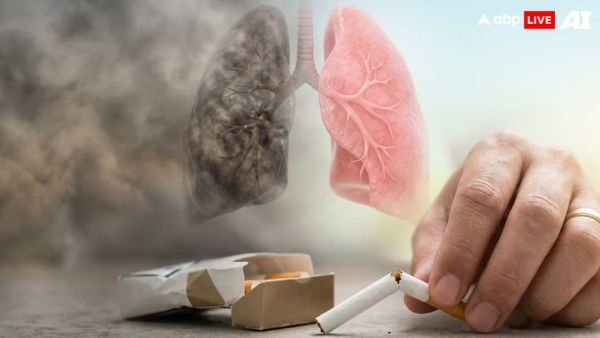
Smoking can cause serious damage to the body and is a major risk factor for lung cancer. However, the body begins to recover after a person quits, with several health benefits appearing over time. While some changes begin within days or months, reducing the added risk of lung cancer takes considerably longer. According to health guidance, the added lung cancer risk falls by about half 10 to 15 years after quitting, compared with continuing to smoke.
The key message is that quitting earlier can bring greater health benefits, but stopping smoking can be beneficial at any age and regardless of how long a person has smoked.
What Happens To The Body After Quitting Smoking?
The recovery process starts soon after the last cigarette. Within several days, the nicotine level in the blood falls to zero, while carbon monoxide levels return towards those seen in people who do not smoke. Over the following 1 to 12 months, problems such as coughing and shortness of breath can decrease.
The benefits continue to build. Within 1 to 2 years, the risk of heart attack drops sharply. Between 5 and 10 years, the added risk of cancers of the mouth, throat and voice box falls by half.
These changes show that quitting smoking can benefit several areas of health, even before the long-term reduction in lung cancer risk becomes apparent.
Lung Cancer Risk Falls By Half In 10 To 15 Years
Lung cancer risk does not disappear immediately after a person stops smoking. Instead, the added risk declines gradually compared with someone who continues to smoke.
According to the CDC, 10 to 15 years after quitting, the added risk of lung cancer drops by half compared with continued smoking. The American Cancer Society also reports that the risk is about 50% lower after 10 to 15 years of quitting than it would be if a person continued smoking.
This does not mean that lung cancer risk becomes zero after 15 years. People who have smoked for a long time can continue to have some level of risk, although it declines with continued time away from cigarettes.
Dengue Vaccine Qdenga Coming To India: Doses, Efficacy And India Launch Timeline Explained
The Earlier You Quit, The More Health Benefits You Gain
There is no specific age at which it becomes too late to quit smoking. Stopping can improve health regardless of a person's age or how long they have smoked.
However, smoking is not the only factor linked to lung cancer. Exposure to secondhand smoke, radon, air pollution and certain harmful substances at work can also contribute to the risk.
For anyone who smokes, quitting remains an important step towards protecting lung health and lowering the long-term risk of smoking-related disease.
[Disclaimer: The information provided in the article is intended for general informational purposes only. It is not a substitute for professional medical advice, diagnosis, or treatment. Always seek the advice of your physician or other qualified healthcare provider with any questions you may have regarding a medical condition.]
Contact to : xlf550402@gmail.com
Copyright © boyuanhulian 2020 - 2023. All Right Reserved.